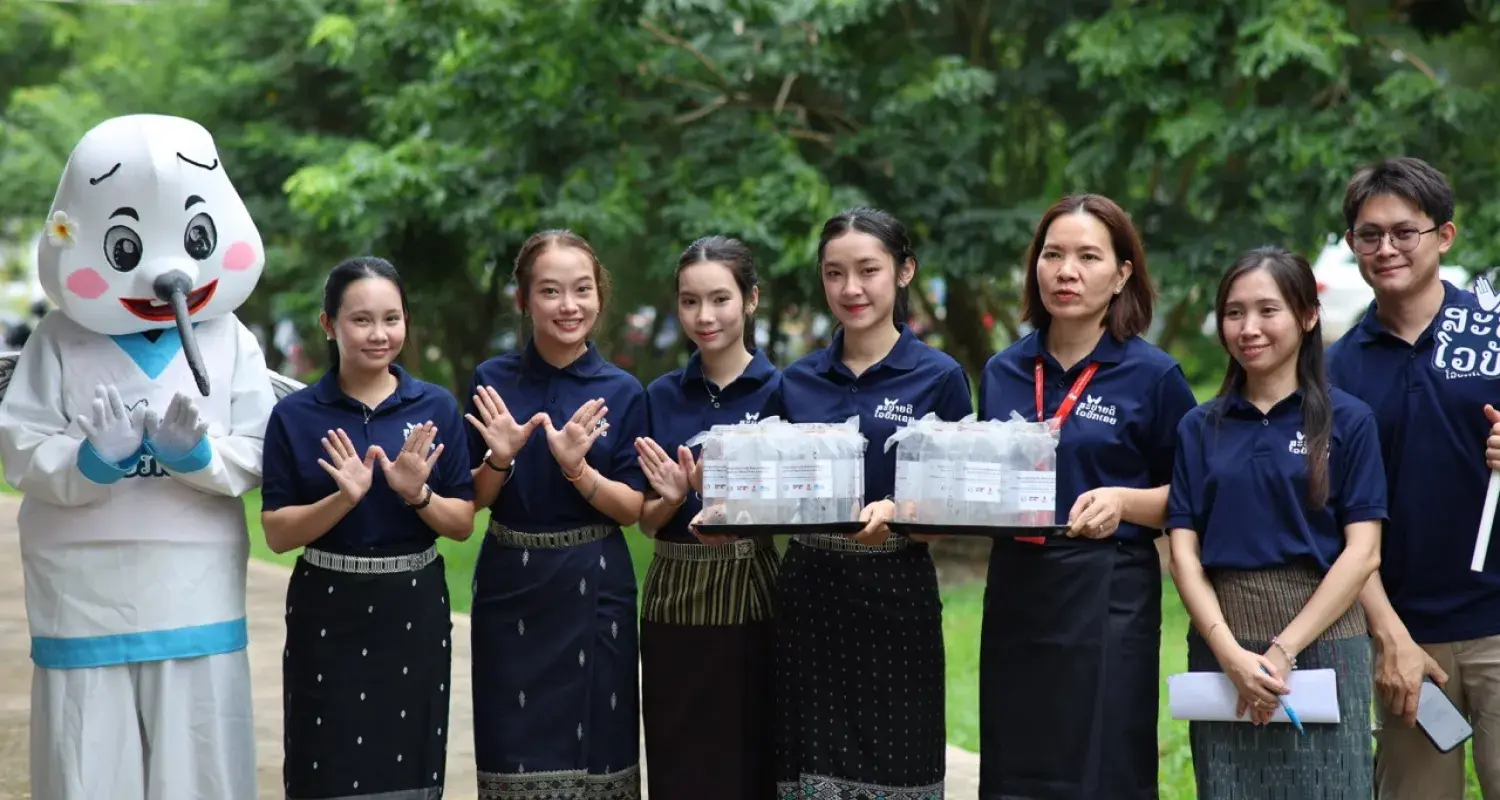
Wolbachia mosquito releases are now underway across five provinces in Laos, expanding a partnership between the Ministry of Health, Save the Children International and the World Mosquito Program that began in 2022. More than 1.2 million people are expected to gain long-term protection against dengue, following months of community engagement that saw public acceptance exceed 88 per cent.
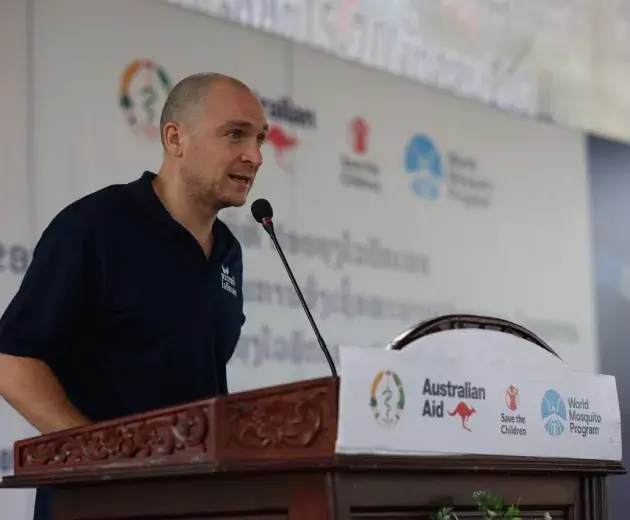
"Dengue continues to affect too many families across the country, underscoring the urgent need for new approaches," says Luke Ebbs, the outgoing Country Director for Save the Children International in Laos.
"This initiative is not only about the release of mosquitoes—it is about fewer children falling ill, stronger communities, and a healthier future for Lao PDR."
Ebbs says the Driving Down Dengue in Laos (DDDiL) project, now in its second phase following two successful rounds of releases in the capital, Vientiane, reflects the strength of partnership between government, communities and development partners.
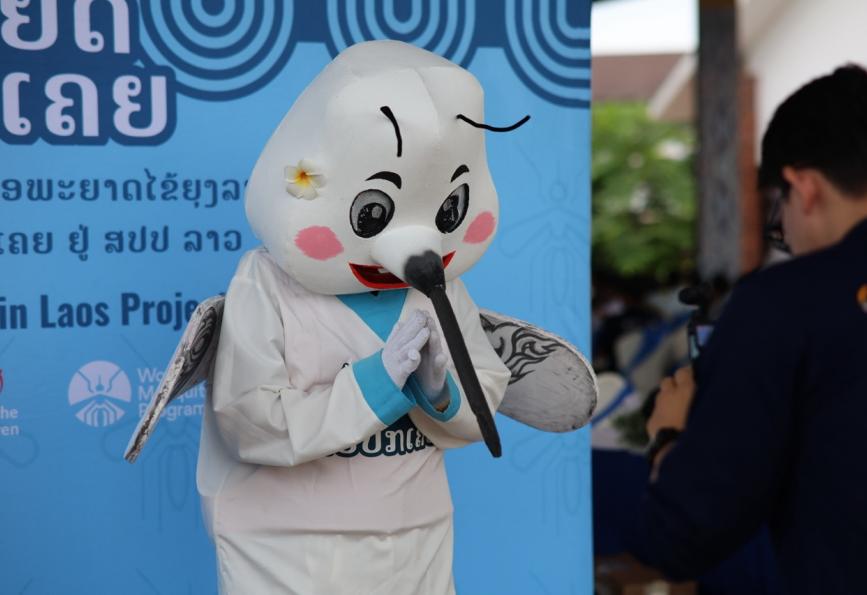
Now, that partnership has reached another milestone, with Wolbachia mosquito releases underway across northern Laos as efforts to prevent dengue continue to expand.
Building on early success
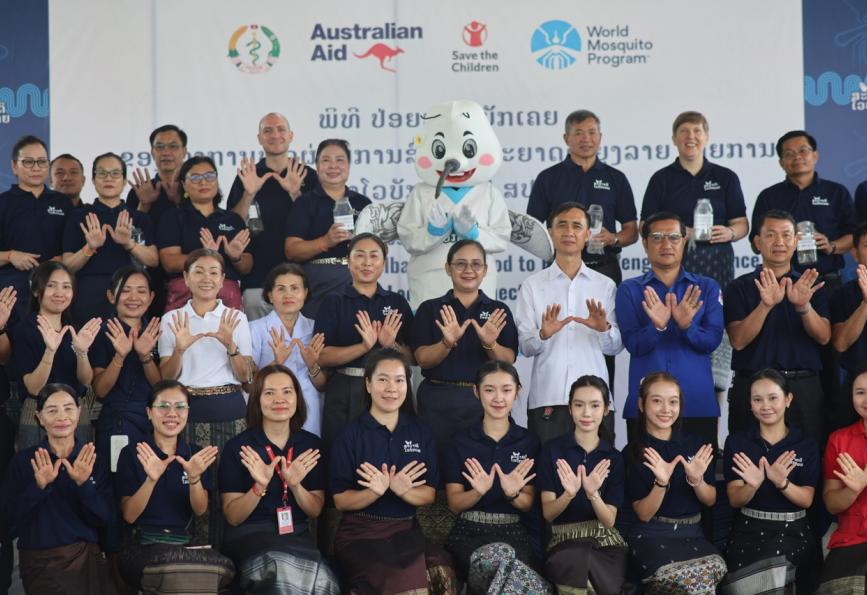
Following launch events in early July, releases are now taking place in Vientiane Capital, Oudomxay, Luang Prabang, Savannakhet, and Champasak provinces. The expansion follows months of technical preparation and community engagement carried out between April and June 2026.
The Ministry of Health's Department of Communicable Disease Control (DCDC) has led the project in partnership with Save the Children International (SCI), with support from the Australian Government and the World Mosquito Program (WMP), since the method was introduced in Laos in 2022 to help combat the growing threat of dengue.
Building on successful deployments in Vientiane Capital over the past four years, the programme has now expanded across all nine districts of the capital as well as four additional provinces. More than 1.2 million people are expected to benefit from long-term protection against dengue.
A major public health challenge
Dengue remains a persistent public health challenge in Laos, particularly during the rainy season from May to October.
Between 2025 and mid-2026, close to 1,500 dengue cases were reported nationwide, including four severe cases - each one a family disrupted, a child kept home from school, and pressure on already stretched health services.
"Dengue fever was once mainly a rainy-season disease, but it can now occur year-round," says Bounleua Sinxaylorlavong, Chairman of the provincial Administrative Committee.
"Major outbreaks occurred in 2013, 2019, 2022, and 2023, causing significant loss of life and property. Dengue remains a serious public health challenge, requiring everyone's cooperation to stay vigilant and prevent its spread"
Building trust
Public health innovation succeeds or fails on the trust of the communities it serves, and in Laos, that confidence has been earned village by village.
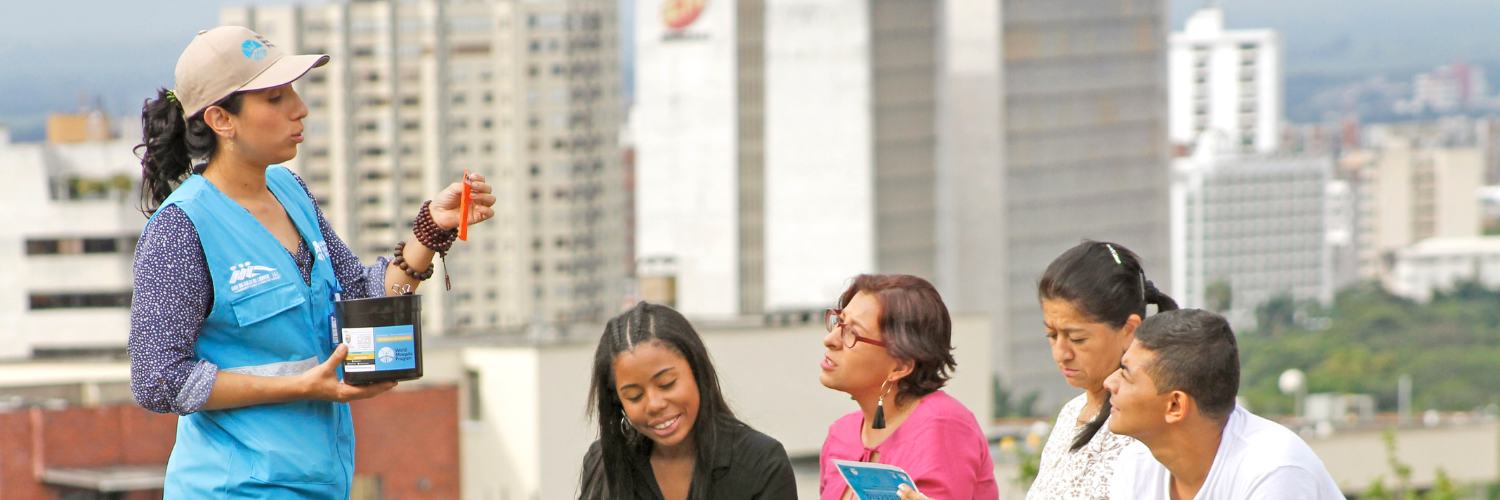
Between April and June 2026, the project trained 336 village health volunteers across 197 villages in the five target provinces. Training of Trainers sessions, Community Advisory Group meetings, Gender Equality, Disability and Social Inclusion (GEDSI) workshops, youth engagement activities and Geographic Information System (GIS) mapping all helped strengthen local capacity and ensure communities were well informed before releases began.
Public acceptance across the five target areas exceeded 88 per cent, reflecting strong confidence in WMP's Wolbachia method and its potential to reduce dengue transmission.
"Dengue fever remains a major public health challenge and a threat to the lives and well-being of people worldwide, causing outbreaks and deaths each year," says Baykham Khattiya, Minister of Health, Laos.
"The Wolbachia mosquito release programme is a new innovative method to dengue control that has achieved positive results in many countries. It also represents hope for more effective dengue prevention and control in the Lao PDR."
Be Part of the Solution: Join Our Community
Discover how we’re transforming lives and combating mosquito-borne illnesses globally. Sign up for exclusive insights and updates delivered straight to your inbox.
Growing evidence
The evidence from other countries offers real hope in Laos. In Brazil, Wolbachia deployments have translated into large, measurable reductions in dengue transmission at city scale. In its first fully protected city, Niterói, WMP recorded an 89% drop in dengue cases, and during the country's 2024 outbreak, case rates remained far below state and national levels. Recent results from Campo Grande also showed a 63.2% decline in cases in the city, following Wolbachia releases.
In Colombia, city-wide Wolbachia deployments between 2017 and 2024 in Bello, Medellín and Itagüi - protecting more than 3.5 million people — resulted in marked reductions in dengue incidence and sustained protection. These included dramatic drops of 91.9% in Bello and 92.1% in Itagüi, even during the severe 2024 national outbreak.
Evidence from Indonesia
Evidence from Yogyakarta, Indonesia, where WMP completed a three-year randomised controlled trial, also showed a 77% reduction in dengue incidence and an 86% reduction in dengue hospitalisations. Yogyakarta made history in its fight against dengue in 2023, with a record of only 67 cases, thanks to WMP's Wolbachia method, first implemented in the city in 2016.
A healthier future
To date, the World Mosquito Program (WMP) has protected over 16 million people across 15 countries, preventing an estimated 1.54 million dengue cases and close to 93,000 hospitalisations, while saving $455 million in healthcare and societal costs.
Where Wolbachia has become established in local mosquito populations, evidence consistently shows substantial and sustained reductions in dengue transmission.
"Together, we are reducing the burden of dengue while advancing innovation, delivering hope, and creating safer, healthier environments for children and families," says Ebbs.